Aren’t you tired of talking about inclusion?
Aren’t you tired of talking about inclusion?
There are approximately seven to eight Fortune 500 companies currently led by Black CEOs. That fact is stark and telling: it exposes persistent structural barriers that limit Black leadership at the highest levels of American business despite Black people’s outsized contributions to the economy, culture, technology, and innovation.
#inclusion #illusion #selfdetermination #selfsufficient #LeaveTheWorldBehind @followers #JTF #fortune #culture @structuralbarriers #timetowin #exclusion
There are approximately seven to eight Fortune 500 companies currently led by Black CEOs. That fact is stark and telling: it exposes persistent structural barriers that limit Black leadership at the highest levels of American business despite Black people’s outsized contributions to the economy, culture, technology, and innovation. Some of those leaders are outlined below.
Who the Black CEOs are (Fortune 500, as of early 2026)?
Marvin Ellison — Lowe’s Companies, Inc. (home improvement retail)
Robert F. Smith — Vista Equity Partners (private equity; not a Fortune 500 CEO but major influence) — note: private equity leaders matter though not all are Fortune 500 CEOs
Thasunda Brown Duckett — TIAA (financial services; formerly CEO of a Fortune 500 company—note organizational changes may reclassify)
Rosalind Brewer — Walgreens Boots Alliance (retailer / pharmacy)
Kenneth Frazier — Merck (former CEO; now chair and executive roles—included as an important recent Black leader)
Roger Ferguson — TIAA (CEO/President previously; leadership roles across finance)
Michael Sorrell — Paul Quinn College (educational leader; not Fortune 500, but influential)
Claude Silver (example of prominent Black executive leadership in large firms)
Note: Corporate leadership and Fortune 500 rankings change frequently; titles, company classifications, and which CEOs are Black can shift.
What’s wrong with this picture: structural causes and realities?
Well, we can argue legacy wealth gaps, gatekeeping, centuries of enslavement affecting intergenerational wealth and asset gaps that limit access to capital and elite schooling.
Are there biased hiring and promotion practices: Implicit bias, performance evaluation disparities, and “cultural fit” criteria that disadvantage Black candidates for advancement into senior leadership roles? Absolutely.
Is there limited access to capital and entrepreneurship support? Definitely. Black entrepreneurs and executives often receive less venture capital, smaller bank loans, and fewer strategic partnerships, reducing opportunities to scale companies to Fortune 500 size.
Is there tokenism and short leashes when some Black leaders are appointed? This is always a concern where they face a higher level of scrutiny; failures are more likely to be attributed to the leader’s identity rather than structural conditions.
Although important, we’re tired of talking about this!
So, here’s what we could focus on equally – Self-determination.
Economic justice: More Black CEOs that work together that own their own companies.
Innovation and competitiveness: Diverse leadership teams bringing together their own communities for broader perspectives that improve decision-making and market understanding to reach global markets.
Role modeling and pipeline effects: Visible Black executives that inspire younger generations to validate pathways into corporate leadership – Well, no more, instead entrepreneurship and strengthening future talent pipelines for social and economic sustainability.
Move from mentorship to sponsorship. Identify high-potential Black leaders and organize sponsors that will advocate for C-suite readiness at their own company.
Instead of public pressure and shareholder activism to accelerate change, redirect this energy within black communities. Fighting for inclusion is fine. However, self-determination counters oppression, racism, discrimination, wage suppression, and exclusion.
Create leadership development funds: Establish dedicated philanthropic funds for mentorship training programs and external experiences for Black professionals.

Iddris Sandu, the Architectural Technologist
Iddris Sandu has led and architected tech experiences with many flagship companies like Instagram, Uber, Twitter and Snapchat; constantly working to bring the gap between the digital and real world together.

Sandu recently founded and launched sLABS (Spacial Labs), a tech incubator building tools for the Metaverse. VR Creatives can apply to collaborate with sLABSs on creative projects or sLABS can assist with bringing a digital idea into a reality. The tech incubator partners with Marcy Venture Partners (MVP), which was co-founded by JAY-Z, Jay Brown and Larry Marcus to build game-changing consumer businesses and mass-market brands that resonate with culture across products and services, media and technology.
“Iddris has a conscious world view and a youth centric vision that is innovative and refreshing to witness. We share similar parallels in how we imagine impacting people in our lifetime. Partnering with him on this journey and others is very exciting.”
- JAY-Z
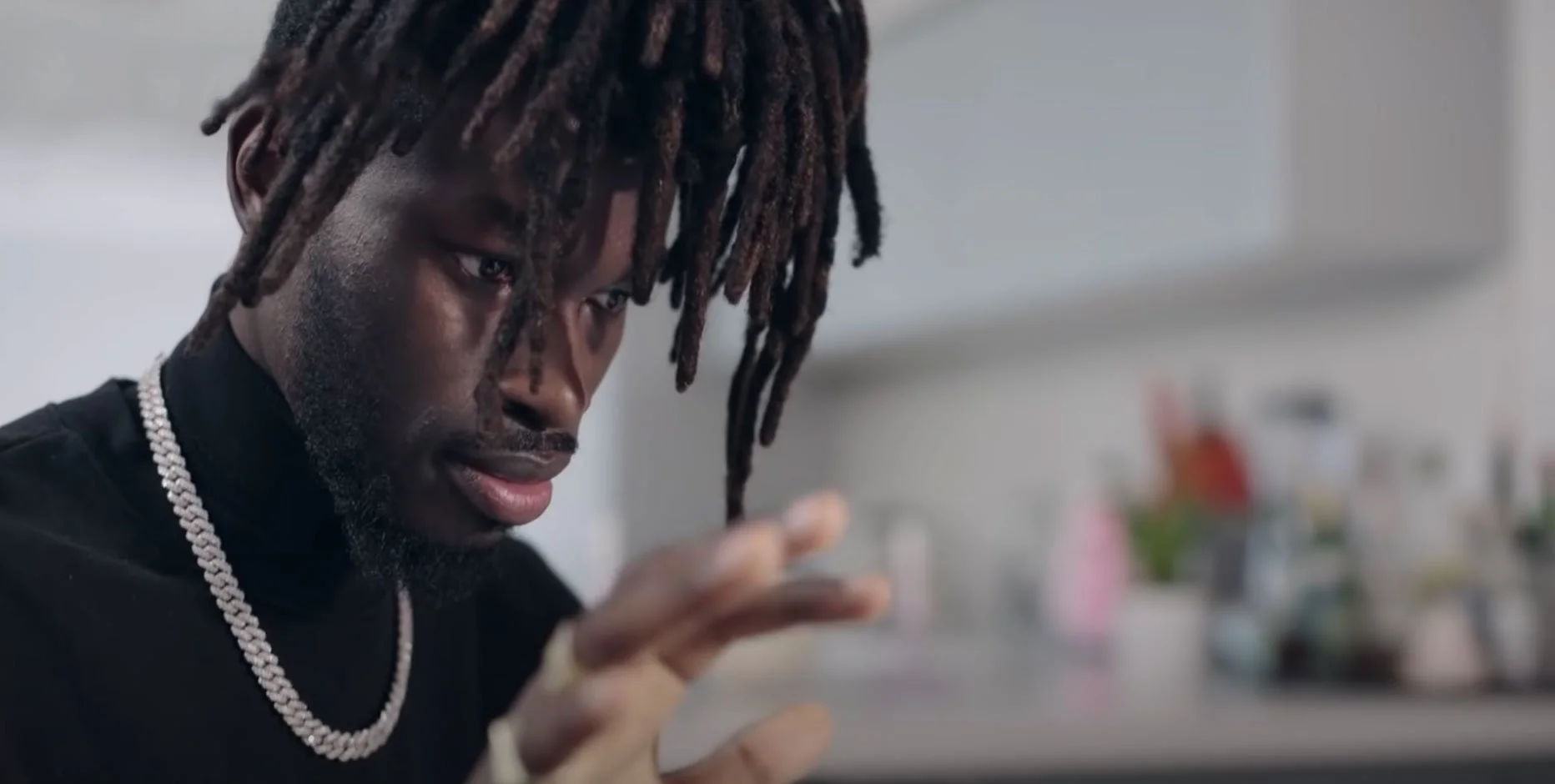
In a Dell sponsored YouTube interview with NBA Star Kyle Lowry, Iddris Sandu discussed the future of technology and its potential for community-level impact.
Sandu states a huge part of his mission is the democratization of technology, and he wants kids in the hood, in Compton, Boyle heights, in Africa to be able to know they can have one device that could pretty much solve all of their external issues that they might have. The biggest driver for inner city youth is information. If they have the information on how to create systems rather than just consuming them, it puts them at a much higher chance of success.
Follow sLABS and Iddris Sandu